

One Orthopedic Idea a Day:Engineered Living Vehicles for Bone Infection and Regeneration
(1) Abstract:
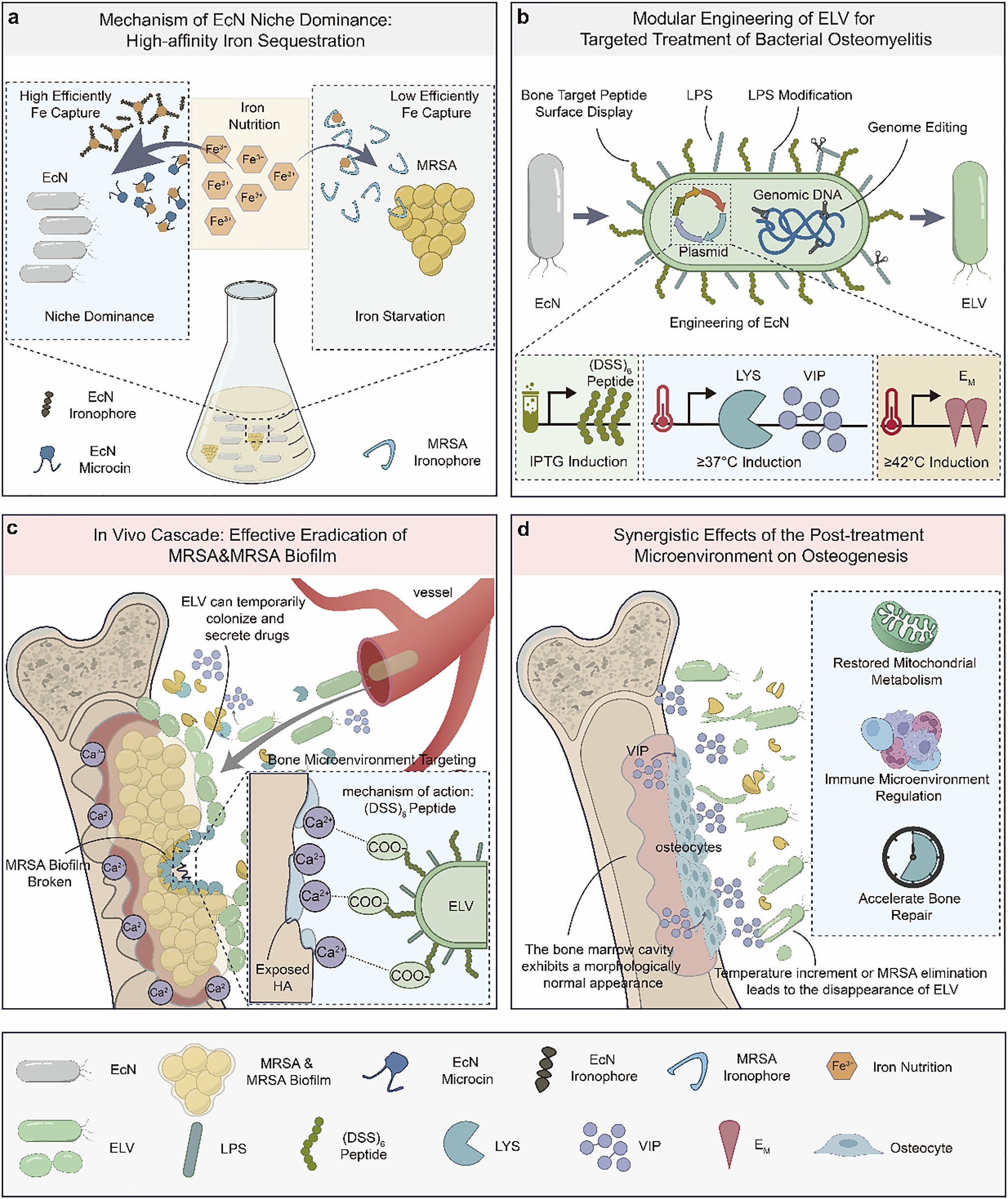
This study presents a programmable engineered living vehicle (ELV) based on EcN, integrating bone-targeting surface display, thermoresponsive genetic logic circuits, and biosafety modules. It acts as an autonomous biofactory to locally produce lysostaphin and vasoactive intestinal peptide for synergistic antibacterial and bone-regenerative intervention in MRSA osteomyelitis.
(2) Background:
Chronic osteomyelitis involves biofilm barriers, poor local vascularity, and limited drug penetration. Static materials and conventional antimicrobials struggle to combine deep infection clearance with tissue repair. Live biotherapeutics offer environmental sensing, colonization, and sustained secretion, but require bone targeting, spatiotemporal control, synergistic payloads, and biosafety.
(3) Main Content:
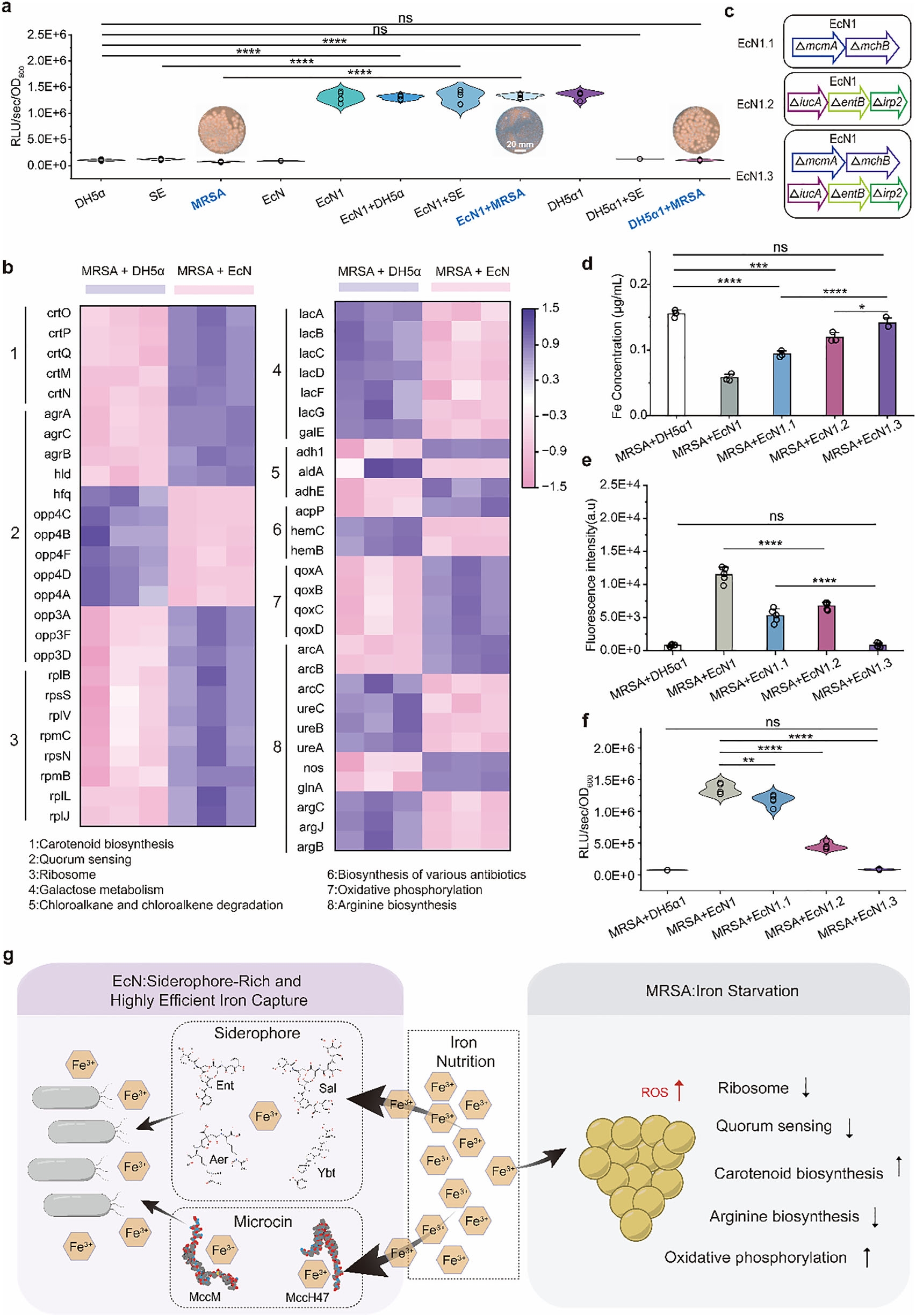
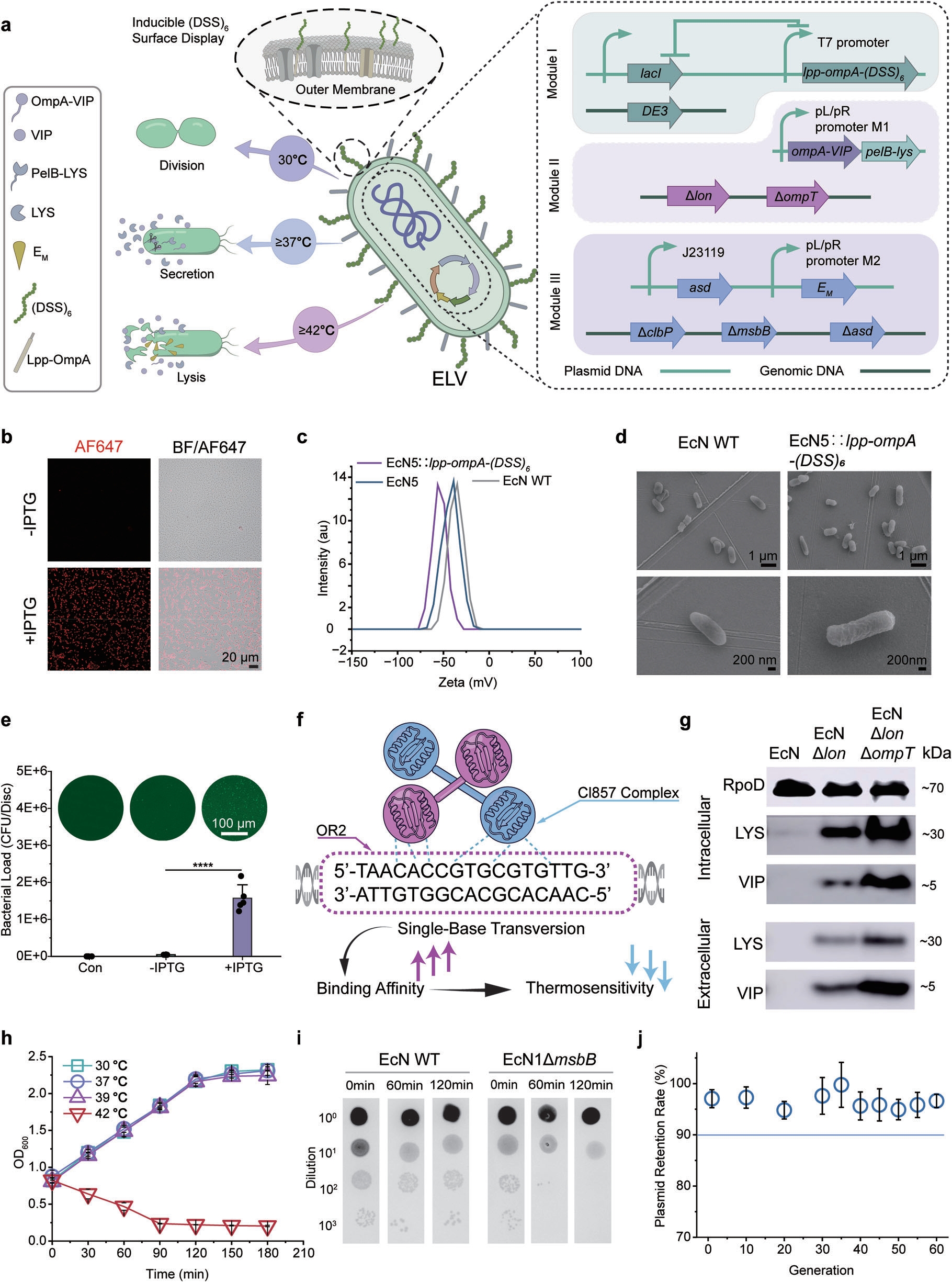
ELV exploits EcN siderophore- and microcin-mediated iron competition to suppress MRSA. Surface-displayed DSS peptides enhance hydroxyapatite affinity. A thermoresponsive circuit initiates LYS and VIP secretion at host temperature and includes thermal self-destruction. LPS modification and plasmid stabilization reduce immunogenicity and maintain genetic stability. LYS disrupts biofilms and cell walls; VIP modulates macrophage polarization and promotes osteogenesis and angiogenesis.
(4) Study Design:
Multi-module genetic circuits were constructed and validated for surface display, thermal expression, lysis, and plasmid stability. In vitro assays evaluated iron competition, antibacterial and antibiofilm activity, cytocompatibility, immunomodulation, and osteogenesis. An MRSA-induced rat tibial osteomyelitis model was used with in vivo imaging, bacterial burden, histology, micro-CT, and transcriptomics, compared with vancomycin and component controls.
(5) Results:
In this model, ELV targeted infected bone, locally colonized, reduced MRSA burden and biofilm residue, alleviated inflammation, and promoted M2 macrophage-associated repair. Histology and imaging showed improved trabecular architecture, bone volume, and osteogenic/angiogenic markers. After thermal triggering, living signals declined, with no obvious pathological abnormalities in major organs or hematological indices.
(6) Future Directions:
Further work should dissect the contributions and synergy of iron competition, LYS, and VIP; optimize thermoswitch sensitivity and deep thermal triggering; and assess long-term immunogenicity, genetic stability, and ecological safety. Multi-signal logic gates and more complex bone infection models may improve the controllability and evaluation of living therapeutic materials.
We provide full-process services for various material designs (including highly innovative scheme design, preparation, characterization, in vitro and in vivo validation (cell/animal experiments), etc.): a postdoctoral team (with multiple high-impact publications in Zone 1 journals) can meet all kinds of tricky and challenging requirements, including hydrogels / drug delivery / nanomaterials / polymers / liposomes / microneedle drug delivery, etc. We can assist with project design / NSFC grant applications / publication of high-impact Zone 1 and Zone 2 papers in journals such as AFM, SCI, AM, etc. Welcome to consult 👇️
17768014569 (Senior Engineer Gao)
17761925168 (Engineer Zhang)
18013729810 (Engineer Yang)
18915694570
Previous: Custom Nanomaterial Se
Next: Custom Nanomaterial Se


