

Daily Osteoimmunology Idea: B-Cell Depletion and Bone Repair

(1) Abstract:
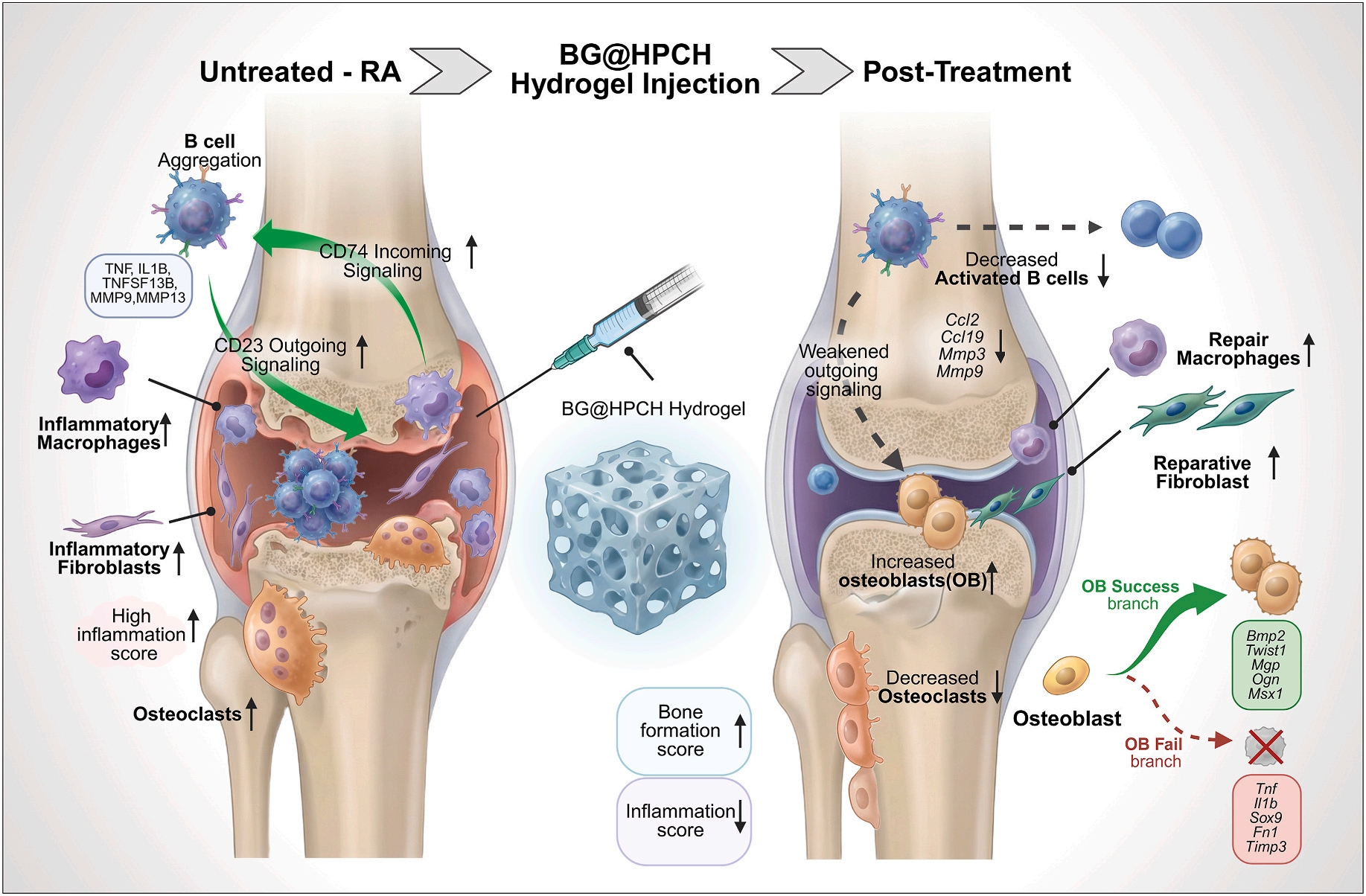
This study develops BG@HPCH, a thermosensitive hydroxypropyl chitin hydrogel loaded with Cu/Zn-doped bioactive glass, for local metalloimmunotherapy of rheumatoid arthritis. The system sustainably releases metal ions to selectively deplete pathogenic B cells while remodeling the osteoimmune microenvironment, inhibiting bone erosion, and promoting bone repair.
(2) Background:
Rheumatoid arthritis is characterized by persistent synovial inflammation and progressive bone destruction. Synovial B cells are central to ectopic lymphoid structures, cytokine release, and osteoimmune imbalance. Systemic B-cell depletion may cause broad immunosuppression and does not readily restore damaged bone, motivating localized and precise intervention.
(3) Main Content:
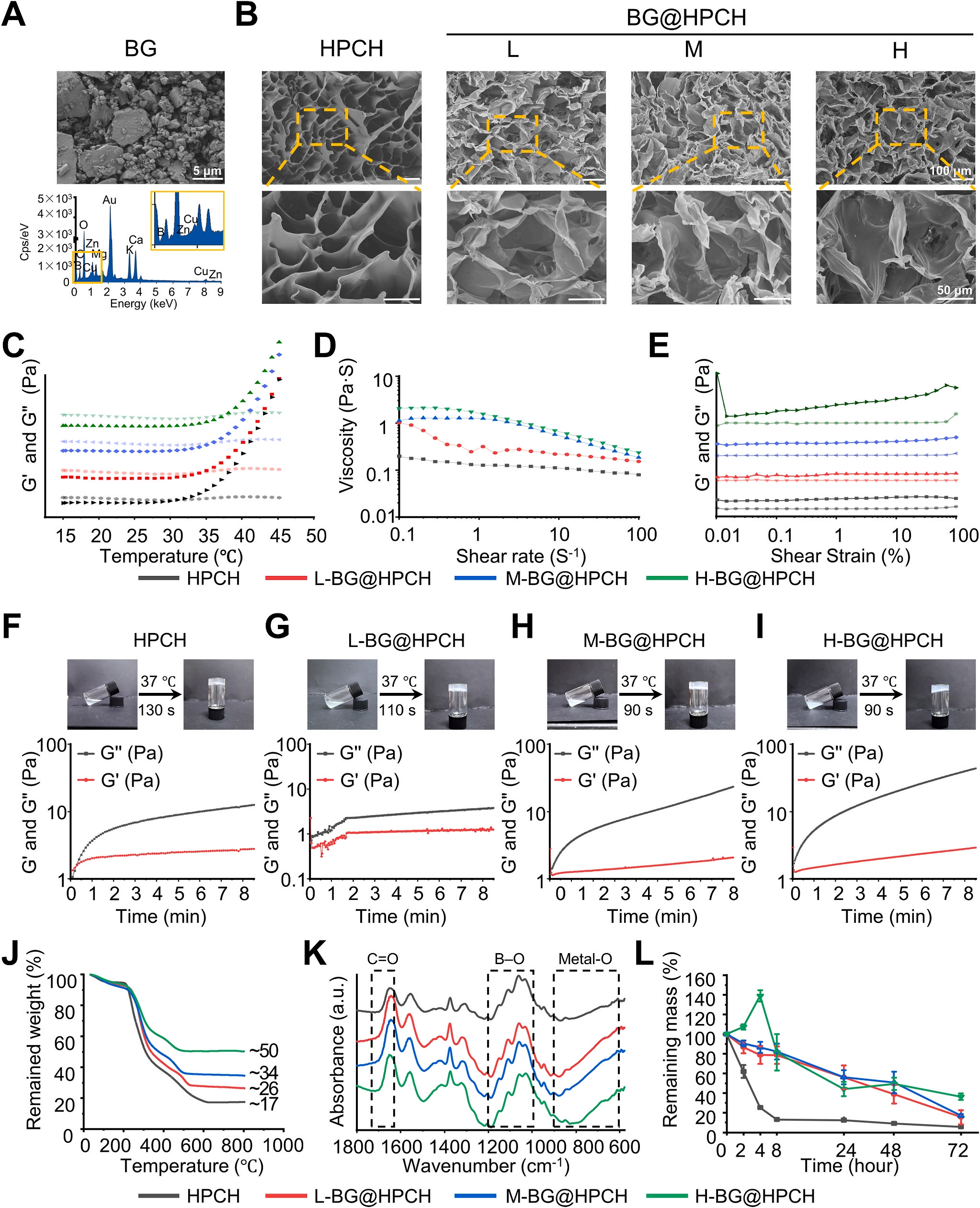
BG@HPCH exhibits shear-thinning, thermosensitive gelation, and sustained ion release. Released ions selectively reduce pathogenic B-cell survival while preserving mesenchymal stem cell viability, inhibit RANKL-induced osteoclastogenesis, and modulate macrophage inflammatory phenotypes. A single intra-articular injection reduces joint swelling and bone erosion and increases osteogenic activity. Single-cell RNA sequencing shows reduced inflammatory B-cell, macrophage, and fibroblast subsets, expanded osteogenesis-associated regenerative populations, and suppressed CD23/CD74-related B-cell communication.
(4) Study Design:
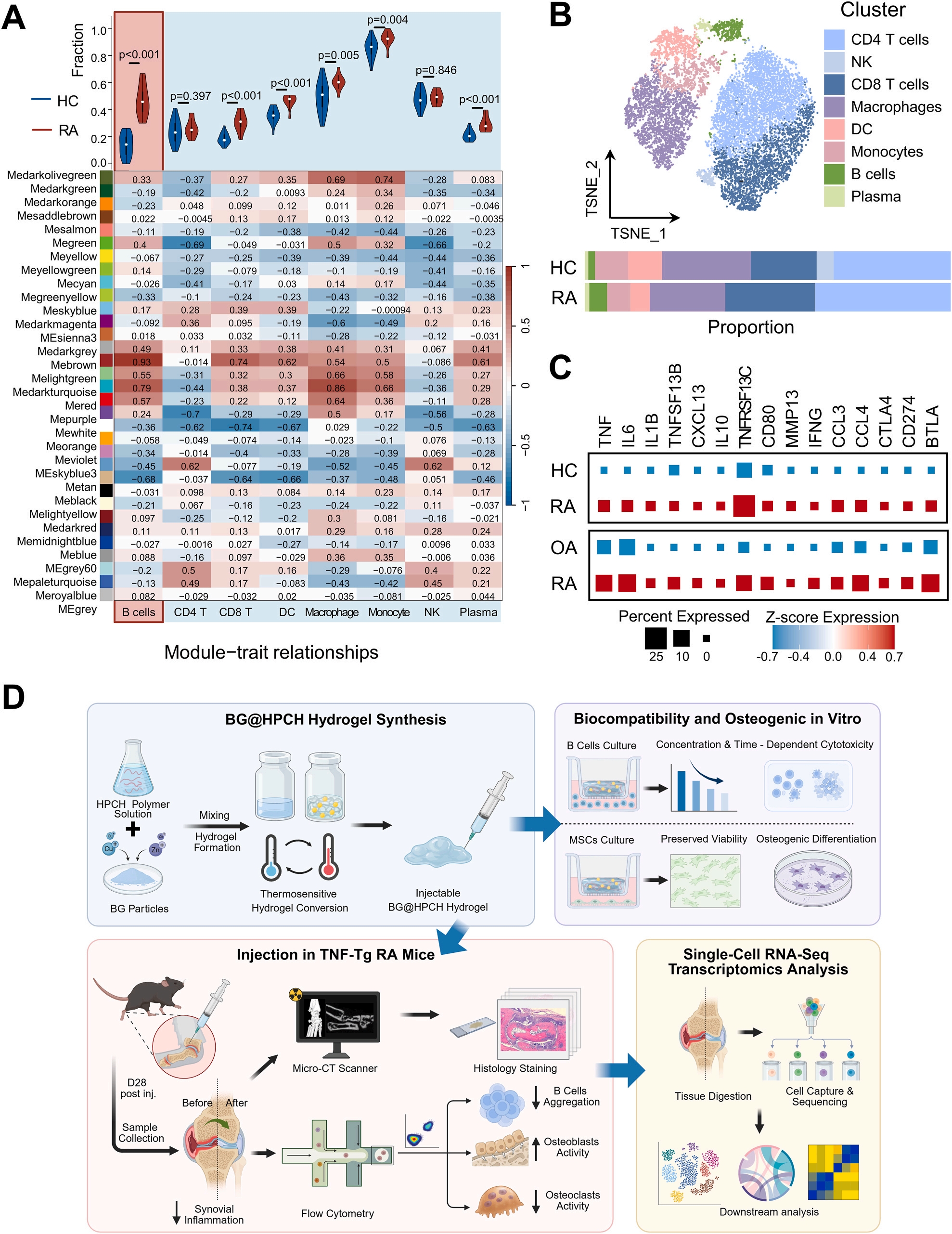
Material morphology, rheology, degradation, and ion release were characterized. Transwell indirect co-culture was used to evaluate B cells and mesenchymal stem cells. In TNF-transgenic arthritis mice, arthritis index, micro-CT, histology, and immunofluorescence were assessed. Flow cytometry and single-cell RNA sequencing were used to analyze immune and osteogenic populations.
(5) Results:
BG@HPCH formed an injectable local depot, selectively induced pathogenic B-cell death while preserving stromal cell viability, and in vivo reduced synovial inflammation and osteoclast activity, improved bone volume and trabecular architecture, increased osteocalcin-positive osteogenic areas, and reduced B-cell infiltration. Single-cell analysis suggested decreased inflammatory B cells, macrophages, and pathogenic fibroblasts, increased osteoblast and repair-associated populations, and suppression of the CD23/CD74 signaling axis.
(6) Future Directions:
Further work should dissect the independent and synergistic contributions of Cu, Zn, and other ions, validate the causal role of CD23/CD74 pathways, and assess long-term joint retention, ion release, and repeated-dosing safety. The local metalloimmunotherapy strategy should also be tested in other osteoimmune disease models.
We provide full-process services for various material designs (including highly innovative scheme design, preparation, characterization, in vitro and in vivo validation (cell/animal experiments), etc.): a postdoctoral team (with multiple high-impact publications in Zone 1 journals) can meet all kinds of tricky and challenging requirements, including hydrogels / drug delivery / nanomaterials / polymers / liposomes / microneedle drug delivery, etc. We can assist with project design / NSFC grant applications / publication of high-impact Zone 1 and Zone 2 papers in journals such as AFM, SCI, AM, etc. Welcome to consult 👇️
17768014569 (Senior Engineer Gao)
17761925168 (Engineer Zhang)
18013729810 (Engineer Yang)
18915694570
Previous: Custom Nanomaterial Se
Next: Custom Nanomaterial Se


